Guide
How to make a tattoo stencil without transfer paper
Transfer paper carries the line onto the skin. If you do not have it, you may still have a design. These are the options artists actually use, with the failures left in.
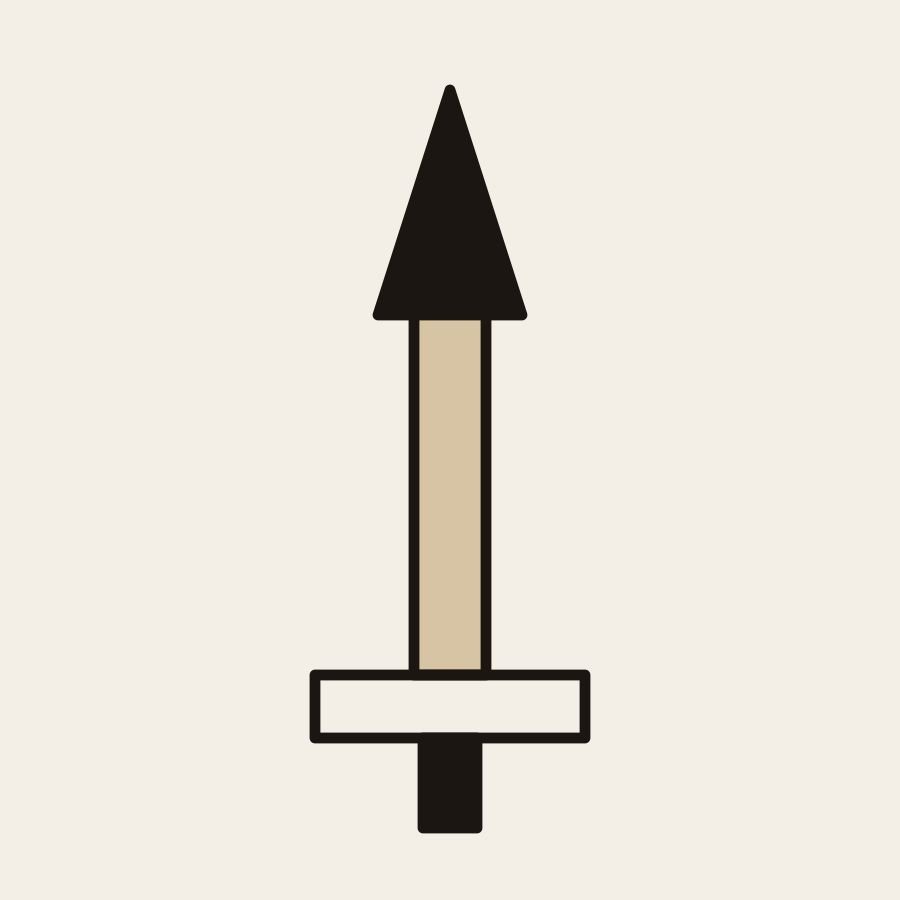
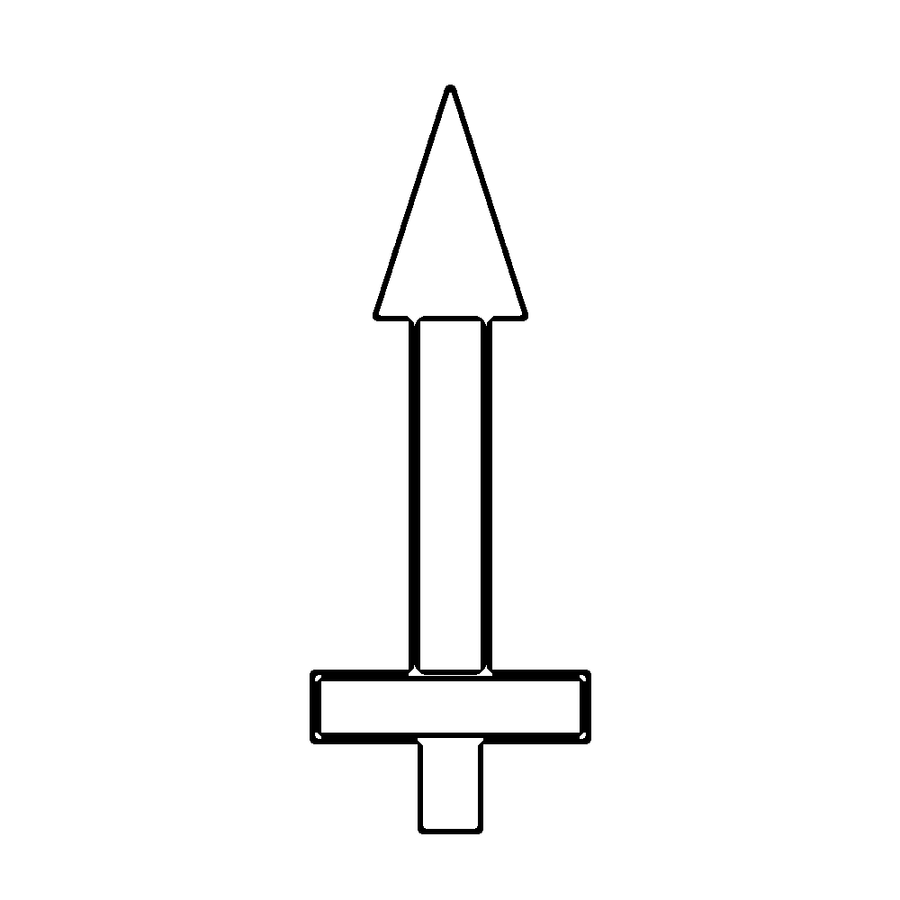
A simple dagger is the kind of design you can freehand from a sized print. A portrait is not. Make the lines in the browser first so you are not inventing the drawing and the placement at once.
Separate two different shortages
Being out of transfer paper sometimes means the purple hectograph or spirit sheets are gone. Sometimes it means the thermal roll is gone. Those are different problems. A PDF from Photo Tattoo Stencil will not make copy paper behave like thermal media. If the unit is simply out of the roll it was built for, the honest move is to wait, or to use a method that does not need that unit. Do not experiment with a sheet the manual does not list. Jams and ruined heads are more expensive than a reschedule.
Make the line art first, on the phone or the laptop, in the browser. The picture stays on that device. Set the width in inches or centimetres even if you cannot transfer today. A correct size on plain paper is still a correct size. Measure it. Then pick a method that matches how detailed the tattoo is.
1. Use the print as a map and freehand the skin
Tape the sized print where you can see it. Mark the skin with the stencil pen or marker your shop already uses for freehand, copying the print rather than rubbing the paper on the body. This is slow and it depends on your drawing. It is also the cleanest option when the design is simple: a small symbol, a short word you redraw, a bold outline like the dagger above.
It is a bad plan for a dense portrait or a full sleeve panel. Say that to the client and rebook if the missing paper is the real problem. Pretending you can freehand a face from a thumbnail wastes their time and yours. The main stencil guide is what you return to once the right paper is in the drawer.
2. Graphite or carbon on the back of a normal print
Print the lines on normal paper. Cover the back with graphite pencil, soft charcoal, or a carbon sheet that is actually meant for skin contact. Tape the sheet in place, pigment side down, and trace the front with a firm pen. Pressure leaves a faint line.
Expect smudges. Expect the line to be wider than you drew. Do not use random household chemicals as the transfer agent. If a product is not sold for skin, do not put it on a client because a forum said it works. This page will not invent a recipe, a soak time, or a solvent. Deodorant hacks and hairspray hacks are not advice from this site.
Lettering fails here first. A carbon copy of a photo trace will not stay sharp at reading distance. Redraw the letters, or wait for real paper. The same is true for a tight portrait: the eyes you just fought to keep in Outline will blur the moment the graphite moves.
3. Rebuild the drawing and hold it
If you are out of thermal sheets but you have tracing paper, acetate, or a projector, you can still rebuild a clean drawing at size. Project or lightbox the print, trace a fresh line drawing, and keep that until the right paper arrives. That is often smarter than tattooing from a smudged carbon copy you already distrust. Artists who draw in Procreate can do this rebuild in the app and export a PNG. The Procreate guide is the export, not a claim that we plug into that app.
4. What the browser tool still does for you
Even with no transfer paper, Photo Tattoo Stencil settles the picture into black lines and a width. You do not have to install an app to get that file, and you do not upload the client photo to get it. Mirror the file if you expect the eventual thermal transfer to flip. If you are only freehanding beside a reference print, leave mirror off so the print matches what you see on the body.
Print two copies of the reference if the design is simple enough to attempt. The spare is for when the carbon smears, not for when you decide the portrait was a mistake. Motif pages such as dagger and arrow are the shapes this pinch method can survive. Wolf is the shape it usually cannot.
5. What not to promise
- Do not promise lettering will be sharp if you are carbon-copying a photo trace.
- Do not promise a portrait will land if you are freehanding from a thumbnail.
- Do not put unknown solvents on skin to set a bad transfer.
- Do not scale by eye because you could not print. Any paper can hold a ruler check.
- Do not feed the thermal unit a sheet its manual does not name.
If the design is worth doing properly, the missing roll is a scheduling problem. The paper guide explains which sheet matches which machine, without prices and without a shopping list of models we have not measured.
Questions
Can I run plain paper through a thermal tattoo printer?
Do not assume so. Those machines are built for the paper they are sold with. The wrong sheet can jam, fail to transfer, or damage the unit. If you are out of the right paper, use a non-thermal method or wait.
Is homemade carbon as clean as a thermal transfer?
No. Graphite or carbon on the back of a print smudges, and the line is softer. It can place a simple design in a pinch. It is a poor choice for small lettering or a tight portrait.
Does Photo Tattoo Stencil replace the paper?
No. It makes black line art and a PDF at a size you set, privately in the browser. Skin still needs a transfer method or freehand work.